
Loading...
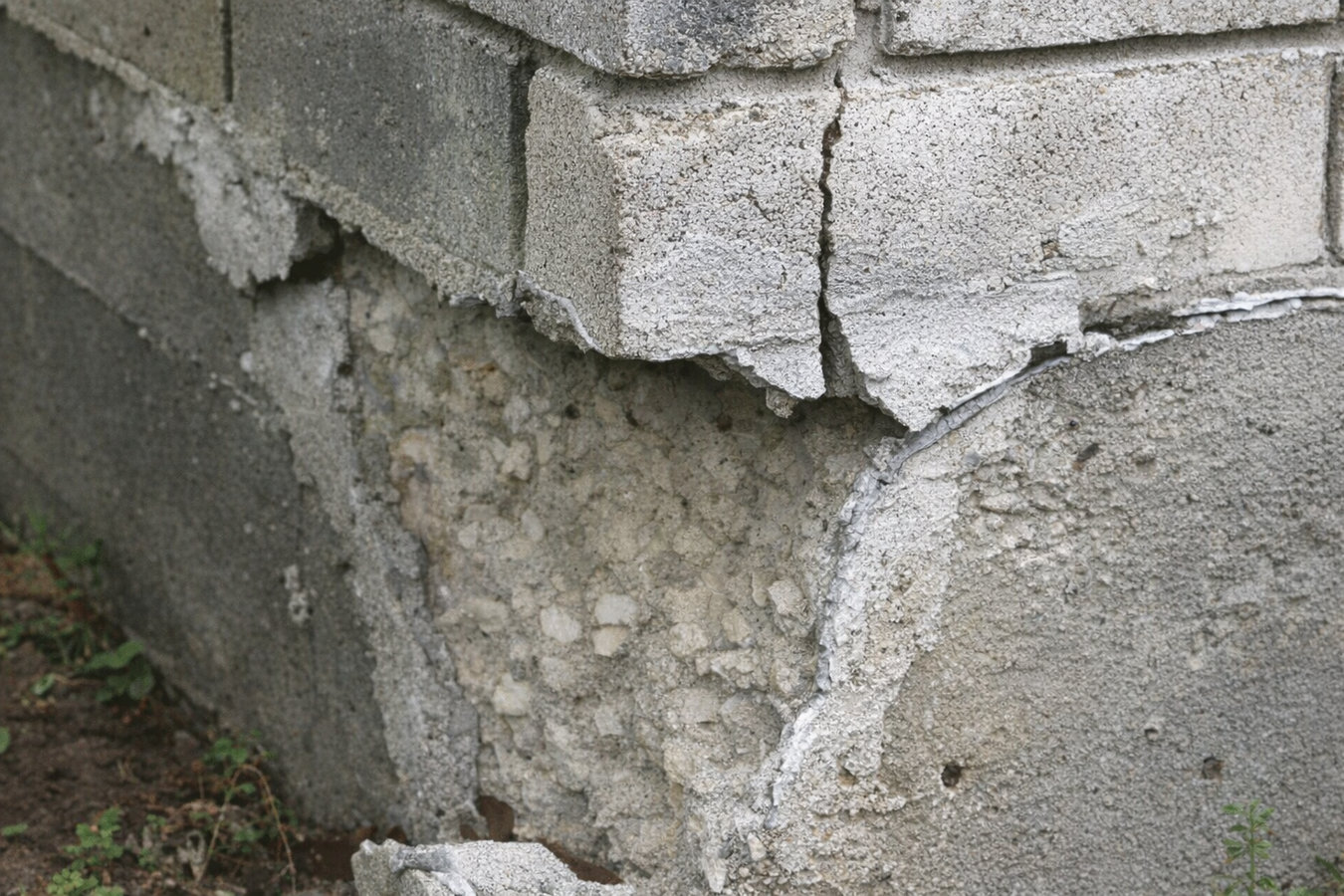
A sunken foundation slab does not always mean a full tear-out. We lift settled concrete back to level, fill the voids underneath, and leave your existing slab intact.
Foundation raising in Brockton lifts sunken or uneven concrete slabs back to their original position by pumping material into the voids beneath them - most residential jobs take one to two days and cost significantly less than a full slab replacement, with smaller sections sometimes completed in a single morning.
If your basement floor slopes in one corner, your garage slab has dropped a half inch on one side, or your front stoop is noticeably lower than it was a few years ago, foundation raising is likely the repair you need. Many Brockton homeowners discover these problems in spring after the ground thaws and the voids created by winter freeze-thaw cycles become visible. The older the home, the more likely the soil preparation underneath was minimal when the slab was first poured.
When the settling is severe enough that lifting alone is not the answer, our slab foundation building service covers full replacement pours and can be quoted alongside a lifting assessment so you understand both options and their costs before committing.
If one section of your front steps, garage floor, or basement slab sits visibly lower than the section next to it, the soil underneath has shifted. In Brockton, this kind of uneven settling often becomes obvious in April or May after the ground thaws and the voids left by winter freeze-thaw cycles become apparent. You should not be able to feel a noticeable step or drop when walking from one section to another.
Brockton gets significant spring rainfall, and if water collects against your foundation walls or in low spots near your home's base after a storm, that water is likely finding its way into voids beneath the slab. Standing water near a foundation is both a symptom of settling and a cause of further settling. If this happens after most rainstorms, have a contractor assess the situation before another winter arrives.
Hairline cracks in concrete are common and not always serious. But if you see cracks wider than a pencil tip, cracks running diagonally from the corners of windows or doors, or cracks that seem to be growing over time, those are signs the foundation is moving. In older Brockton homes, these cracks often appear first in the basement or along the base of exterior walls - and they rarely fix themselves.
When a foundation shifts, the frame of the house shifts with it, and that movement shows up in doors and windows that suddenly stick, won't latch, or have gaps at the top or bottom. If you have noticed this in multiple rooms or on multiple floors, it is more likely a foundation issue than a simple humidity problem. This is one of the most reliable early warning signs homeowners can spot without any tools.
Mudjacking is our standard approach for most residential lifting jobs. We drill small holes at measured intervals through your slab, pump a cement-and-soil slurry into the voids, and the concrete rises as the material fills the space beneath it. It is a well-proven method that has been used for decades, and it works well on garage floors, basement slabs, stoops, and walkways throughout Brockton. The Portland Cement Association publishes reliable guidance on concrete repair at cement.org.
Polyurethane foam injection is the alternative method we use when lighter weight is important or when faster curing is needed. Foam cures within an hour rather than 24 hours, uses smaller injection holes, and weighs far less than the cement slurry used in mudjacking - which matters in Brockton's clay-heavy soils where adding weight to an already-stressed base can accelerate future settling. We discuss both methods during the estimate so you understand the trade-offs before deciding.
For homes where foundation settling has progressed to structural damage - cracks wider than a pencil, walls that bow, or floors that drop by more than an inch - we coordinate with our concrete cutting team to remove deteriorated sections cleanly before any lifting or replacement work begins. Addressing the damaged concrete first gives the lifting work a better result and a longer service life.
Best suited for larger slab areas where long-term stability and cost-effectiveness matter more than curing speed.
Best suited for homeowners who need faster turnaround or are dealing with clay soils where added weight is a concern.
Best suited for front stoops, entry walks, and small slabs where a single sunken section is causing a trip hazard.
Best suited for larger interior slabs in Brockton homes where uneven floors are affecting daily use or water drainage.
Brockton sits in Plymouth County and experiences some of the most punishing winter ground movement in Massachusetts. The ground freezes and thaws repeatedly between November and March, and each cycle pushes soil up and down beneath your foundation. Over years, this movement creates voids under slabs and causes concrete to sink unevenly. Many Brockton homeowners first notice the problem in April or May when the ground thaws and the damage from winter becomes visible.
A large share of Brockton's homes were built between the 1920s and the 1960s, when soil preparation and drainage standards were far less rigorous than they are today. Foundations from that era were often poured on soil that was never properly compacted, and the drainage systems around them have had decades to deteriorate. Neighborhoods like Campello and Montello have high concentrations of this older housing stock, and foundation settling calls from those areas are among the most common we receive. Homeowners in Brockton, Quincy, and Worcester all deal with similar freeze-thaw foundation challenges.
Much of the soil in the greater Brockton area also contains significant clay content, which expands when wet and contracts when dry. This expansion and contraction puts constant pressure on foundation edges and footings. During wet springs - which Brockton gets regularly - saturated clay can lose its load-bearing strength quickly, allowing slabs to drop more rapidly than homeowners expect. Getting a settling problem addressed before another wet season arrives is one of the most practical things a Brockton homeowner can do.
When you call, we ask where the problem is, how long you have noticed it, and whether you have seen any cracks or water. This helps us come prepared. Most Brockton homeowners hear back within one business day, and we typically schedule an on-site visit within a week or two - though spring is busy, so calling early in the season helps.
A contractor walks the affected area with you, looks at the extent of the settling, any visible cracks, and the drainage situation around your home. We may probe the soil or use a level to measure how much the surface has dropped. This visit takes 30 to 60 minutes, and a written estimate follows within one business day.
For structural foundation work in Brockton, we apply for a building permit through the city's Inspectional Services Department before work begins. This typically adds a few days to a week to the timeline. A legitimate contractor handles this step for you - you should not have to navigate the permit office yourself.
The crew drills small holes through the concrete at measured intervals, then pumps material beneath the slab to fill voids and lift the surface back to level. Most residential jobs are completed in one day. The crew patches the injection holes and cleans up the work area before leaving, and we walk you through the repaired area before we go.
We respond within one business day, pull all required Brockton permits, and give you a written estimate before any work begins. No obligation.
(508) 639-3270We pull the required Brockton Inspectional Services permit on every structural foundation job before a single drill turns on. That permit record protects you when you sell your home, refinance, or face an insurance claim. A contractor who suggests skipping permits to move faster is one worth walking away from.
Brockton's soil contains significant clay content that expands when wet and contracts when dry. This cycle puts constant pressure on foundation edges. We account for clay-soil conditions when choosing lift methods and addressing drainage around the repair - not just filling the void and leaving.
We raise foundations across 12 communities from Brockton to Worcester and Providence, including Campello and Montello neighborhoods. Every job is permitted and assessed the same way regardless of which community it is in. Homeowners who called us after a previous contractor skipped permits are a common story we hear.
Massachusetts requires Home Improvement Contractor registration for residential foundation work. You can verify any contractor's registration through the state's online lookup. We are registered and can provide our number before any work begins - you should not have to ask twice.
When a foundation problem appears in Brockton, the difference between a quick fix and a repair that holds is almost always in how well the underlying cause was understood before the lifting began. We assess soil conditions, drainage, and the extent of voiding before recommending a method - because a raised slab that settles again within a season is not a repair.
Precision saw cuts for removing damaged driveway sections, creating basement openings, or running utility trenches under existing slabs.
Learn moreNew concrete slab pours for garages, additions, and sheds when an existing slab cannot be salvaged or a new structure needs a proper base.
Learn moreBrockton's freeze-thaw season starts earlier than most homeowners expect. Call now or submit the form and we will respond within one business day with a written quote.