Loading...
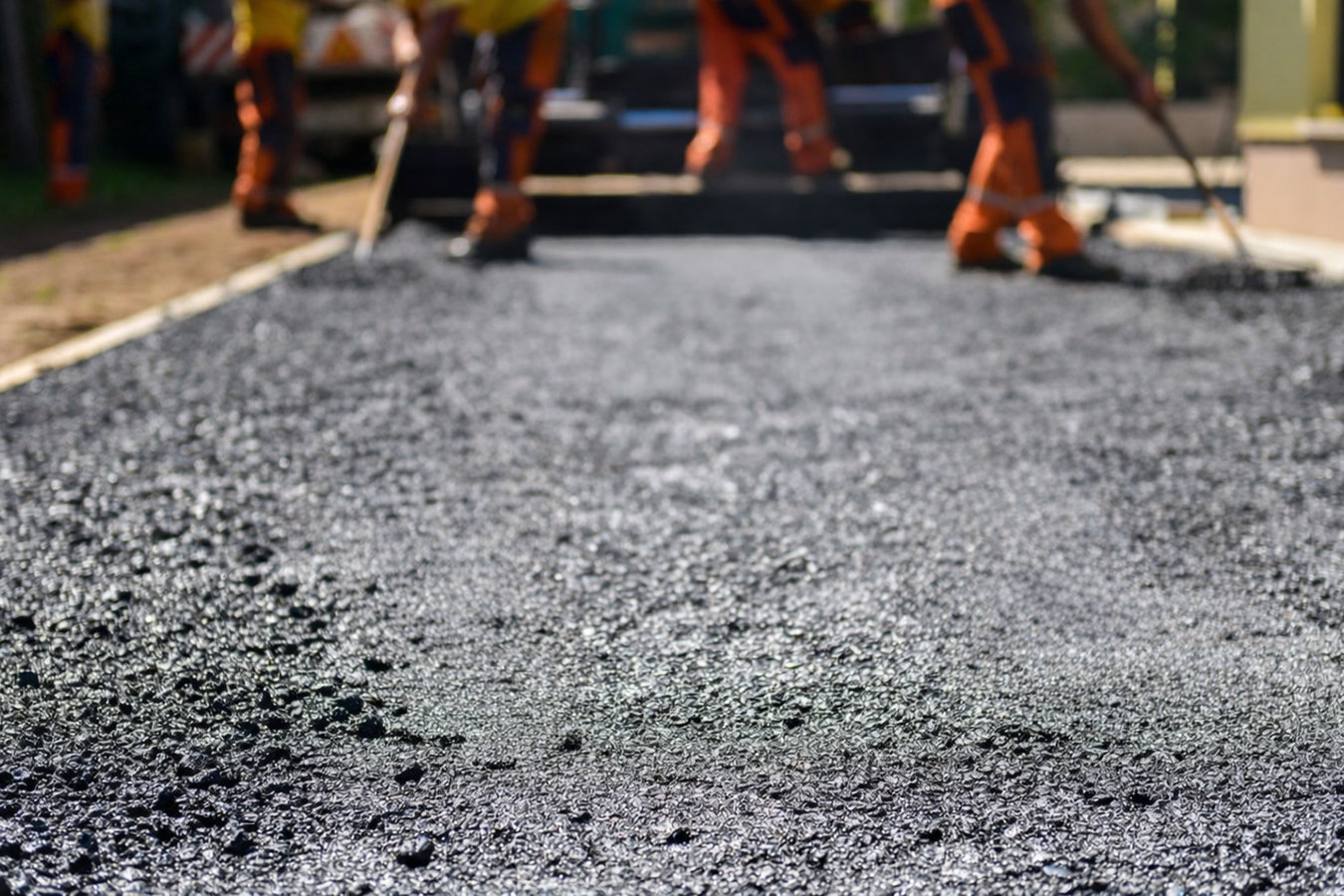
Crumbling asphalt or an aging lot that floods after every storm? A properly built concrete parking lot handles Brockton winters and lasts decades without constant maintenance.
Concrete parking lot building in Brockton, MA involves removing any existing pavement, grading the site for drainage, compacting a gravel base, and pouring a reinforced concrete slab with cut control joints - most small-to-medium lots take two to five days of construction, with permitting adding one to three weeks before the first shovel goes in.
Most parking lot projects we handle in Brockton are replacements, not new builds. Much of the city's commercial and residential property stock dates from the mid-20th century, and many existing lots are aging asphalt well past its useful life. Replacing an old lot is more involved than building on bare ground: the old material has to come out, the base underneath assessed, and any drainage problems from the original installation corrected before the new concrete goes in.
For property owners who also need a new access driveway leading to a lot, our concrete driveway building service covers that scope and can be quoted together to save on mobilization and base-prep costs.
If cracks have been filled before and keep reappearing, or if you are seeing cracks wider than about half an inch, the surface itself is failing rather than just settling. Brockton's freeze-thaw cycles accelerate this process every winter, turning small cracks into large ones with each season. When cracking is widespread and the surface breaks into pieces, patching stops being cost-effective.
Standing water on a parking lot is a sign the surface has settled unevenly or was never graded correctly. In Brockton, where spring snowmelt and heavy rain are common, pooling water speeds up surface deterioration and creates slip hazards. If puddles are not gone within an hour or two of a storm, the lot's drainage is failing.
Edge deterioration - where corners and borders start to chip, crumble, or break away - signals that the base underneath is no longer supporting the surface properly. This is especially common in older Brockton lots where the original base was thin or drainage was never adequate. Once edge deterioration spreads toward the center, the lot is nearing the end of its useful life.
Asphalt that is faded gray, brittle, and cracking in an alligator or web-like pattern across the whole surface has reached the end of its life. Many Brockton commercial properties have asphalt lots well past their prime. At that point, replacing it with a concrete surface is often more cost-effective over the next 30 years than continuing to patch.
Standard concrete parking lots are the core of what we do here. We handle everything from small residential overflow areas to larger commercial lots for multi-tenant properties and small businesses. Every lot is engineered for proper slope so water runs away from buildings and off the surface, with control joints cut at regular intervals to manage the natural expansion and contraction that comes with Brockton's temperature swings. The Portland Cement Association publishes useful guidance on what separates a well-designed lot from a poorly designed one at cement.org.
For properties that need more than a plain surface, we also offer decorative finishes - broom finish for grip and a clean appearance, and exposed aggregate for a more textured, higher-end look. These options suit commercial properties where curb appeal matters as much as durability. Our concrete footings service handles any structural support work needed alongside a new lot, including footings for site lighting poles, signage, or bollards.
Demolition and removal of existing pavement is included in our scope when needed - we do not build on top of old asphalt and call it a new lot. Old material comes out, the base is assessed and rebuilt where necessary, and the new concrete is poured on a properly prepared subgrade. The National Ready Mixed Concrete Association offers straightforward guidance on mix standards and quality at nrmca.org.
Suits any property needing a durable, low-maintenance surface for vehicle traffic - from single-family overflow parking to small commercial lots.
Suits commercial properties and multifamily buildings where appearance matters and a broom or exposed-aggregate finish adds curb appeal.
Suits properties with aging asphalt past its useful life where the old surface and compromised base both need to be removed and rebuilt correctly.
Brockton averages around 48 inches of snow per year and sees temperatures that drop below freezing regularly from December through March. Every freeze-thaw cycle pushes water into small cracks, expands them, and creates larger cracks - a cycle that destroys poorly built parking surfaces in just a few winters. That means the base preparation, concrete thickness, and joint spacing on a Brockton lot all need to be specified for New England winters, not just for general use. Contractors who move here from warmer markets often under-specify base depth because they are used to conditions that simply do not apply here.
Much of Brockton's commercial and residential stock dates from the mid-20th century, and many of those properties have aging asphalt lots that have been patched and re-patched past the point of return. Brockton also enforces Massachusetts stormwater management requirements, which means new or expanded impervious surfaces need to be designed with drainage in mind from day one. Missing this step during permitting causes project delays and can require redesign after the fact.
We work regularly across the region, including in Quincy, Worcester, and Providence. The drainage and freeze-thaw conditions in these communities are similar enough to Brockton that the same standards apply on every project we take on.
We visit your property, assess the existing surface and drainage conditions, and take measurements before giving you a firm price. No reputable contractor should quote without seeing the site - soil conditions and drainage vary significantly across Brockton, and they affect cost. You will receive a written estimate within one business day of our visit.
We apply for the required Brockton permit before any work begins and submit any drainage plans the city requires. Approval typically takes one to three weeks depending on project complexity. You do not need to contact the city yourself - we handle the process and keep you updated on timing.
We remove any existing pavement, grade the area so water drains away from buildings, and compact a gravel base layer. This phase takes one to two days for a small-to-medium lot and is the most important part of the project - the concrete is only as durable as what is underneath it. Soft spots in the subgrade are addressed before any concrete arrives.
Concrete is delivered, poured, finished, and control joints are cut on the same day. Vehicles must stay off for at least seven days while the surface cures. We walk the finished lot with you at the end of the curing period, explain the joint sealing schedule, and provide any warranty documentation in writing before the crew leaves.
We visit your site, give you a written estimate, and handle the permit. No obligations, no pressure - just a straight answer about what your project needs.
(508) 639-3270Brockton sees roughly 48 inches of snow per year and regular freeze-thaw cycling from December through March. We spec base depth and concrete thickness with those winters in mind on every project - not just the minimum required to pass inspection. The lots we build still look and perform well after a decade of New England winters.
Massachusetts stormwater rules apply to new impervious surfaces, and Brockton enforces them. We handle the permit application, prepare any required drainage documentation, and coordinate inspections so you never have to make a call to the city. A permit also protects you at closing and during refinancing - it is not optional.
We build parking lots across 12 communities from Brockton to Worcester and Providence. Every lot we pour in any of these areas is built to the same base-depth and drainage standard. Brockton property owners have told us they chose us after another contractor quoted without visiting the site - we never do that.
Before work starts, you have a written proposal specifying the concrete thickness, how the base will be prepared, where water will drain, and what the warranty covers. See the Portland Cement Association's guidance at cement.org on what a properly scoped parking lot job should include. No surprises.
The property owners who call us back for additional work - and the ones who refer us to their neighbors and tenants - do so because the lot we built still looks and drains the same way it did the day we finished. That starts with doing the base prep right, and it continues with handling every permit and inspection the way it is supposed to be handled.
Structural footings poured below the frost line for decks, additions, and accessory structures built to Brockton building code.
Learn moreResidential concrete driveways engineered for drainage and freeze-thaw durability, from single-car pads to multi-vehicle approaches.
Learn moreConcrete season fills up fast in spring - contact us now to lock in your start date before summer slots are gone.