
Loading...
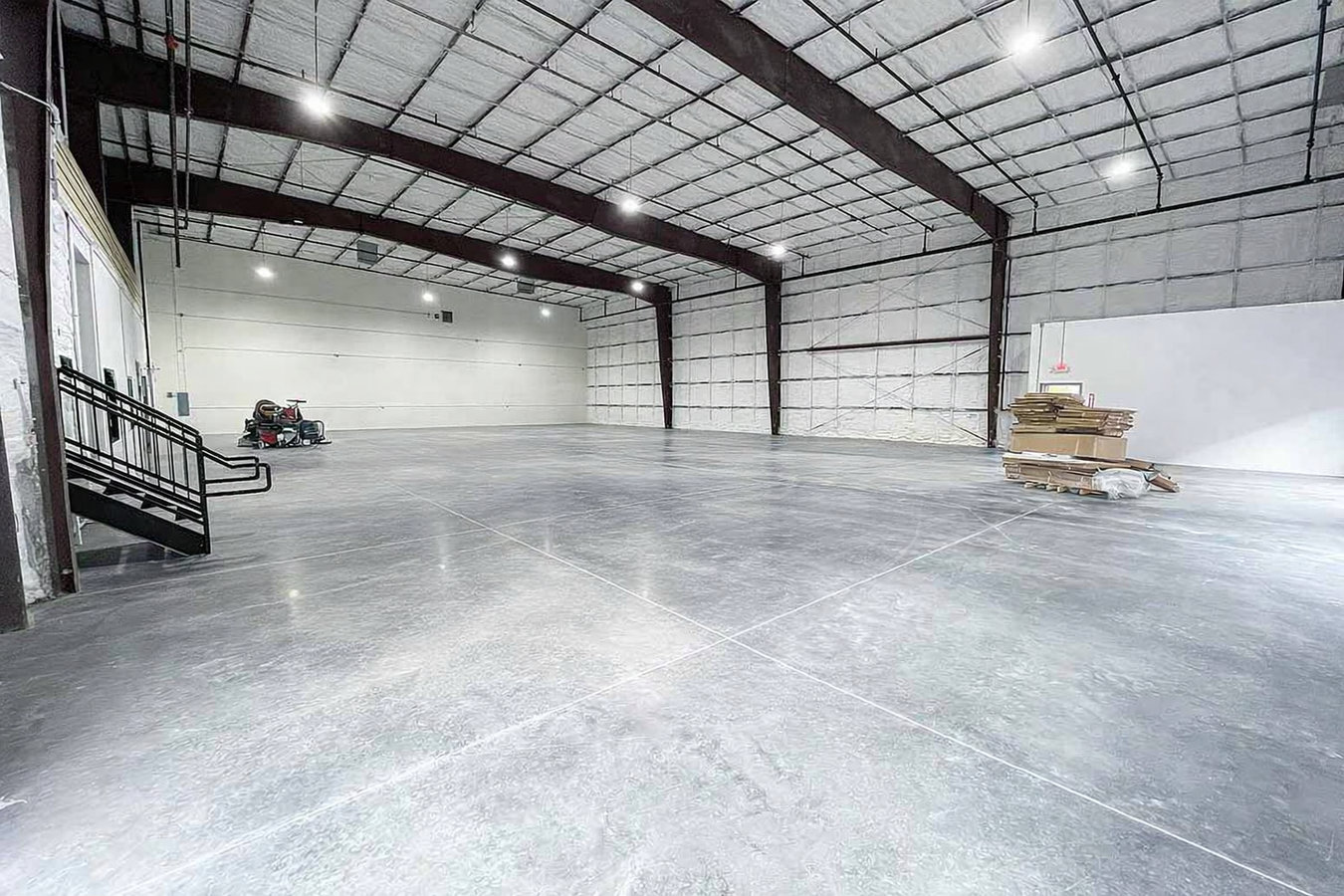
Cracked, heaving, or deteriorating floor in your basement or garage? A new concrete slab with proper base prep and moisture control solves the problem for decades.
Concrete floor installation in Brockton, MA starts with removing the old slab, preparing and compacting the base, checking for moisture, and pouring a new slab with control joints - most basement or garage projects take two to three days on-site plus about a week before the floor is ready for regular use.
For Brockton homeowners, the most common reason to replace a floor is a basement slab that has cracked or heaved over the years. A large share of Brockton's housing stock was built between the 1920s and 1960s, and the original floors in those homes were typically poured thin and without the moisture barriers or base preparation that is standard today. When those slabs start cracking, patching only holds so long before the underlying problem reasserts itself. Concrete floor installation in Brockton often involves more base prep work than newer construction requires, because the old conditions have to be corrected before a new pour can perform.
If you are also dealing with a cracked garage floor alongside a basement project, our garage floor concrete service covers the specific considerations for sealed, road-salt-resistant garage slabs that hold up through Brockton winters.
If you have patched cracks in your basement floor and they keep reopening each spring, the slab is moving because the base underneath has shifted. In Brockton, freeze-thaw cycles move the ground every winter. Repeated patching only holds so long; at some point, a full replacement over a properly compacted base is the more cost-effective fix.
That white powder is called efflorescence, and it means water is moving up through the slab and depositing minerals on the surface. In older Brockton homes, this is a common sign the original floor was poured without a moisture barrier. It is not just cosmetic - ongoing moisture under a slab can weaken it over time and create conditions for mold.
If parts of your floor are visibly higher or lower than others, or if a door drags on the floor where it used to swing freely, the slab has settled unevenly. This kind of movement means the base underneath has shifted, and no surface repair will fix it permanently. A new pour with proper base preparation is the right solution.
Surface deterioration where the top layer chips off or the surface feels rough and pitted is called spalling. In Brockton, road salt tracked in during winter accelerates this process. Once spalling starts, it tends to spread. A floor in this condition is harder to clean, harder to seal, and will continue deteriorating without a proper replacement.
A standard functional slab is the right choice for most basements and utility spaces in Brockton. It is four inches thick, poured over a compacted gravel base, and finished with a broom texture or troweled smooth depending on how the space will be used. This is the baseline, and it is what most homeowners need when the goal is a solid, stable surface that holds up through years of seasonal ground movement.
For homeowners who are finishing a basement and plan to put flooring over the concrete, the pour needs to be coordinated with that project. The surface has to be flat enough for the flooring adhesive or underlayment, and if moisture is present, a sealed surface or vapor barrier under the slab is the right approach. We discuss this upfront so the floor is poured to the right level and finish from the start, not reworked after the fact.
Garage floors in Brockton face a specific challenge: road salt tracked in during winter accelerates surface deterioration. A sealed garage floor resists salt and is easier to clean year-round. For homeowners considering a garage floor alongside interior concrete work, our concrete pool decks and exterior slab work use the same high-quality materials and base preparation standards we bring to every indoor floor.
The practical choice for utility basements, mechanical rooms, and spaces where function matters more than appearance.
Best for garages, workshops, and any space where stain resistance and easier cleaning justify the additional cost.
Poured to the correct level and surface profile for tile, vinyl plank, or engineered hardwood to go directly on top.
Used in older Brockton homes with documented or suspected moisture, to keep the slab dry and the space above it free of mold.
Brockton's housing stock skews old. A large number of homes in the city were built before 1960, and their original basement floors were typically poured thin, often without the gravel base or vapor barrier that is standard today. The freeze-thaw cycle, which Brockton sees every winter when temperatures drop below freezing and climb back up in the same week, stresses those old slabs from below. Over decades, this causes the cracking, heaving, and uneven settling that homeowners in neighborhoods like Campello and Montello deal with regularly.
Moisture is the other factor that defines floor installation work in Brockton. Glacially deposited clay soils throughout much of the city hold water rather than draining it, and many older basements were not waterproofed in any meaningful way when they were built. A new floor pour without addressing moisture first simply traps the problem under the slab. We assess moisture conditions on every visit before giving a quote, and we include a vapor barrier recommendation in writing when the conditions call for it.
We work across Brockton and surrounding communities throughout the region. Homeowners in Cambridge, Lowell, and Worcester face comparable older-home conditions, and we bring the same base-prep and moisture standards to every project regardless of location.
We come to your basement or garage, look at the existing floor, check for moisture, and assess the base underneath. You receive a written quote covering demo, base prep, the pour, any finishing, and permits. We respond within one business day of your inquiry.
We handle the permit application with Brockton's Inspectional Services Department before any work begins. Once the permit is in hand, we confirm your start date. Depending on the season and schedule, this is typically one to three weeks out.
The crew removes the old slab, hauls away the debris, and prepares the base with compacted gravel. If moisture is present, we install a vapor barrier before the pour. This is the noisiest, dustiest part of the job, and it typically takes most of one day.
Concrete is poured, spread, and finished with the surface you chose. Control joints are cut before the surface sets. You can walk on the floor after 24 to 48 hours. The city inspector signs off on the finished work and your contractor coordinates that visit.
We come to your Brockton home, assess the existing floor and moisture conditions, and give you a written estimate covering every part of the job. No phone quotes, no surprises.
(508) 639-3270Many Brockton homes built before 1970 have basements with seasonal moisture issues. We check for moisture before the pour and install a vapor barrier where it is needed. A floor poured over untreated moisture traps water underneath, which leads to efflorescence, mold, and a slab that never fully performs. We build it right the first time.
Brockton's glacially deposited soils, which include clay pockets in older neighborhoods, can shift seasonally. We assess the base and add compacted gravel where the ground is not stable before we pour. Skipping this step is the most common reason floors crack within a few years of installation. See the American Concrete Institute's guidance on proper subgrade preparation for what this actually involves.
We pull the permit from the City of Brockton Inspectional Services Department and coordinate the inspection on your behalf. A permitted floor is on record with the city, which matters when you sell the home or file a claim. A contractor who skips permits is cutting a corner that can cost you later.
A good pour includes control joints, shallow cuts placed at regular intervals that give the concrete a predictable place to flex rather than cracking randomly. Many older Brockton slabs were poured without them, which is one reason those floors crack in unpredictable patterns. We cut control joints on every residential floor we install, regardless of size.
Our Massachusetts Construction Supervisor License and Home Improvement Contractor registration are both current and verifiable through the state registry. These are the licenses required to legally oversee structural concrete work in Massachusetts, and they are in place on every project we take on.
Extend your outdoor living area with a properly sloped and drained concrete pool deck built for New England's seasonal extremes.
Learn moreRestore a pitted, flaking garage floor with a new sealed slab that stands up to road salt and heavy vehicle traffic through Brockton winters.
Learn moreBrockton contractors book up fast once the weather turns. Reach out now for a written quote that covers the full job, including permits and base prep, before the schedule fills.